Vaginal atrophy care

  • •Physician-led care
  • •Dryness & pain relief
  • •Hormone-based options
  • •Sarasota clinic

Dryness, burning, pain with sex. These changes come from falling estrogen, and they are treatable. Dr. Sarah Secor-Jones, DO, FACEP reads your hormones, your history and your pelvic health together, then builds a plan for you.

4.9★ · 61 Google Reviews

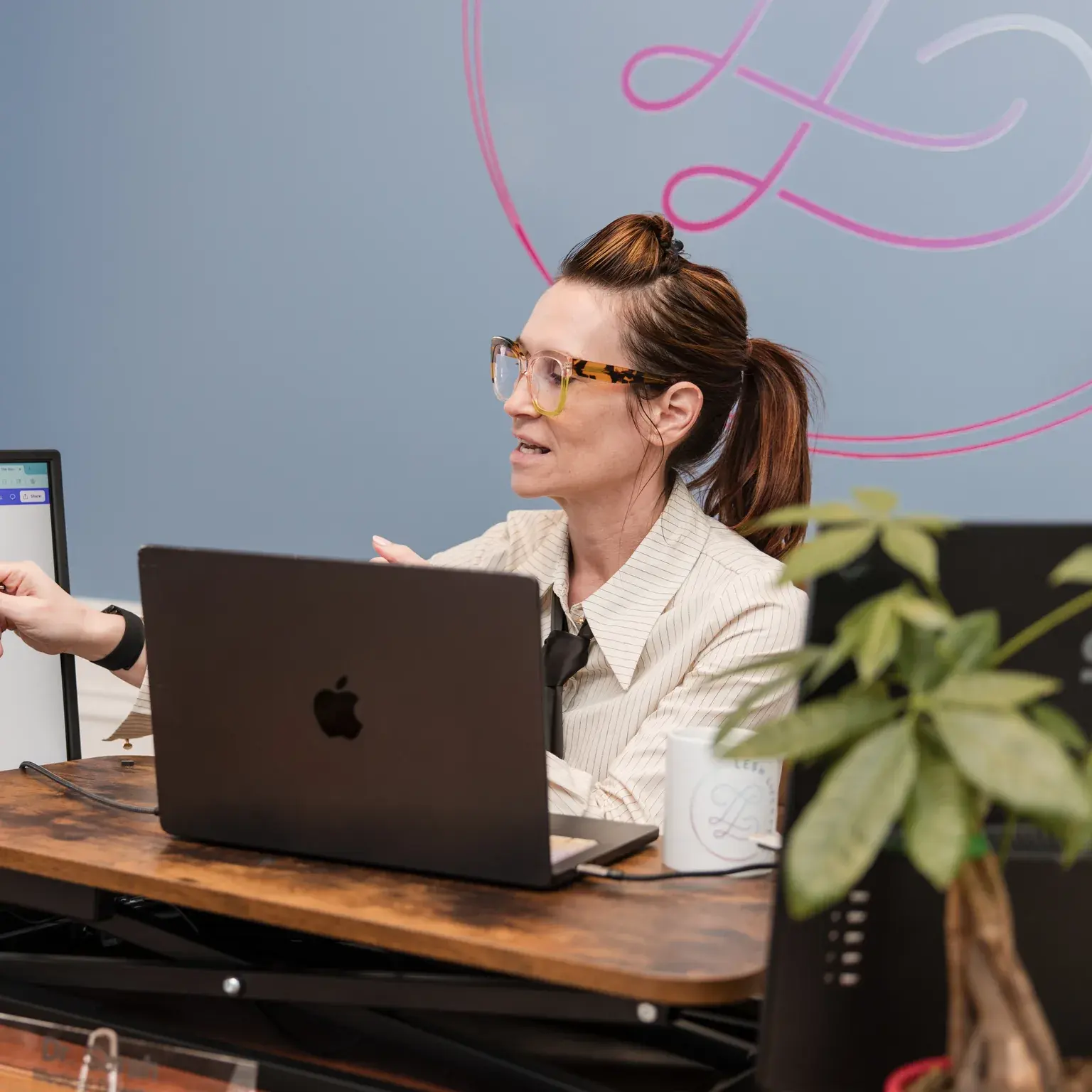
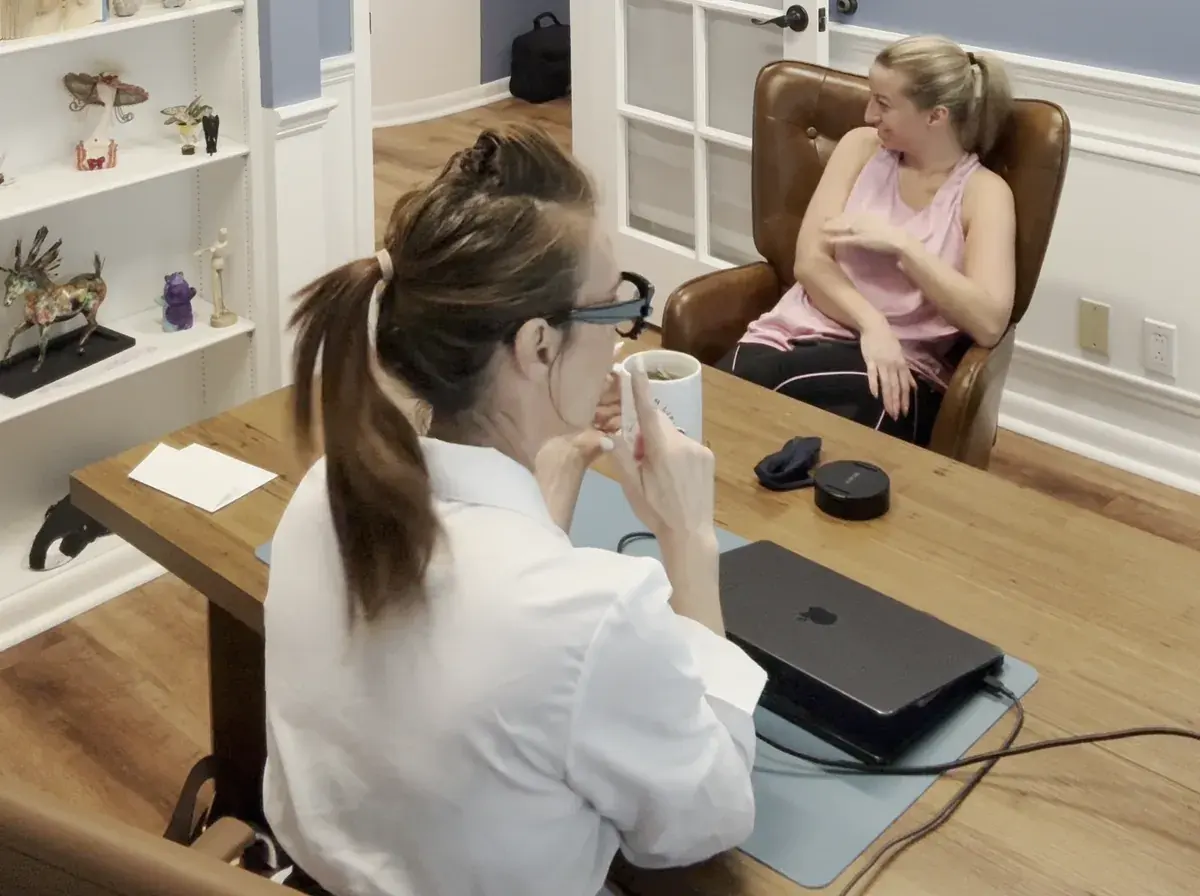
Dr. Sarah in a consultation at her desk at Lesh Lifestyle
01

Why this happens

As estrogen falls, the tissues of the vulva, vagina and urethra lose collagen, blood flow and natural moisture. That single change shows up in several places at once.

This is why dryness, pain with sex and bladder symptoms so often arrive together. Vaginal atrophy and GSM are common medical conditions, and they are treatable.

  • Dryness, burning and rawness

  • Pain with intercourse

  • Bladder and urethra

  • Visible vulvar changes

02

How care works here

Dr. Sarah Secor-Jones, DO, FACEP starts with an unhurried conversation about your symptoms, cycles, births, surgeries, medications and any previous hormone therapy. She maps what is driving the change before treatment begins.

Options can include local vaginal hormones, systemic BHRT inside a broader menopause plan, or non-hormonal routes. Follow-up is scheduled to match your plan, with dose or form adjusted as your tissue responds.

  • Local vaginal estrogen or DHEA

  • Systemic BHRT when appropriate

  • Non-hormonal options

  • EMSELLA where suitable

03

When to expect results

Tissue rebuilds gradually. Burning and irritation often settle first, and comfort usually returns before elasticity does.

Elasticity, lubrication and comfort with sex improve as the lining thickens. Hormone-based treatment works as long as the tissue is supported, so symptoms can slowly return if you stop entirely.

04

Who it is for

This care is for women with dryness, burning, pain with intercourse, spotting after sex, urinary urgency, leaking or repeat urinary infections.

For most healthy postmenopausal women, low-dose vaginal estrogen carries very low risk. Dr. Sarah reviews your history, including breast cancer or clotting, before recommending it.

Vaginal atrophy symptoms

What vaginal atrophy and GSM feel like

Dryness, burning and rawness

Dryness, burning and rawness

Tightness that was not there before. Burning or stinging after sex or after sitting, and a sandpaper feeling that makes ordinary days uncomfortable.

Treatments+

Local vaginal estrogen or DHEA, applied straight to the tissue, rebuilds thickness and moisture. Dr. Sarah matches the form and the dose to your tissue and your history.

Causes+

Falling estrogen thins the lining, shifts vaginal pH and reduces the natural moisture the tissue once made on its own.

Explore Treatment

What improvement looks like

What to expect as your tissue responds

Tap to flip

In the early weeks

Early weeks · first relief

Burning and irritation often settle first. Many women notice the day to day rawness easing while deeper tissue change is still underway, so keep using the therapy exactly as prescribed.

Tap to flip

As the tissue rebuilds

Building · steady progress

Elasticity, lubrication and comfort with sex improve as the lining thickens and blood flow returns. Urinary urgency and repeat infections often ease over the same stretch.

Tap to flip

Keeping what you have gained

Ongoing care · lasting comfort

Hormone-based treatment works as long as the tissue is supported, so symptoms can slowly return if you stop entirely. Dr. Sarah sets follow-up to match your plan and adjusts dose or form. Changes to the plan are normal.

Why women choose Lesh Lifestyle for GSM care

The Lesh approach

Why women choose Lesh Lifestyle for GSM care

Dr. Sarah is a board-certified emergency physician with 12 years in practice and focused training in menopause care. She is Konenki Vetted and holds Dr. Heather Hirsch's menopause certification. Lesh Lifestyle is family-operated, and she takes every discovery call herself.

Dr. Sarah is board certified in emergency medicine and licensed in Florida, with 12 years in practice and 2,000+ patients cared for since opening Lesh Lifestyle in 2022. She directs every hormone plan written here.

Konenki Vetted in menopause, with Dr. Heather Hirsch's menopause certification behind the hormone decisions she makes. Her 25 years of Navy service shaped how she reads a full history.

Dr. Sarah takes every discovery call herself, and the physician who assesses you is the physician who treats you.

Patient reviews

What patients say

Words from women cared for by Dr. Sarah at Lesh Lifestyle in Sarasota.

4.9 average (61 Google reviews) · See every Google review →

Dr. Sarah truly stood out in the way she approached my care. From the very first interaction, she took the time to genuinely listen and understand my needs, never making me feel rushed or overlooked.…

ES

Elizabeth Semmerling

Lesh Lifestyle · Sarasota

What happens

What happens at your GSM visit

From your first discovery call through follow-up, here is what a vaginal atrophy visit at Lesh Lifestyle in Sarasota actually involves, step by step.

Step 01 · Conversation

A private, unhurried conversation

You start in a quiet room talking with Dr. Sarah, using your own words for dryness, pain or changes in desire. She asks about cycles, pregnancies, births, surgeries, medications and any previous hormone therapy.

  • Your symptoms, in your words
  • Cycles, births, surgeries and medications reviewed
  • Previous hormone therapy taken into account
Vaginal atrophy and GSM treatment process

Related treatments

Menopause specialist

Menopause hair loss treatment

Menopause hair loss treatment

Menopause hair loss treatment

You noticed it in the shower first.

Menopause weight gain

Menopause weight gain

Menopause weight gain

The extra weight showed up in the middle first.

Integrative membership

Ongoing care with one physician

Hormone care works best with steady follow-up. The Integrative Membership is $200 per month and keeps you working with Dr. Sarah throughout.

  • Ongoing access to Dr. Sarah at $200 per month

  • Follow-up scheduled to match your plan

  • HSA accepted, superbills provided on request

Book Now
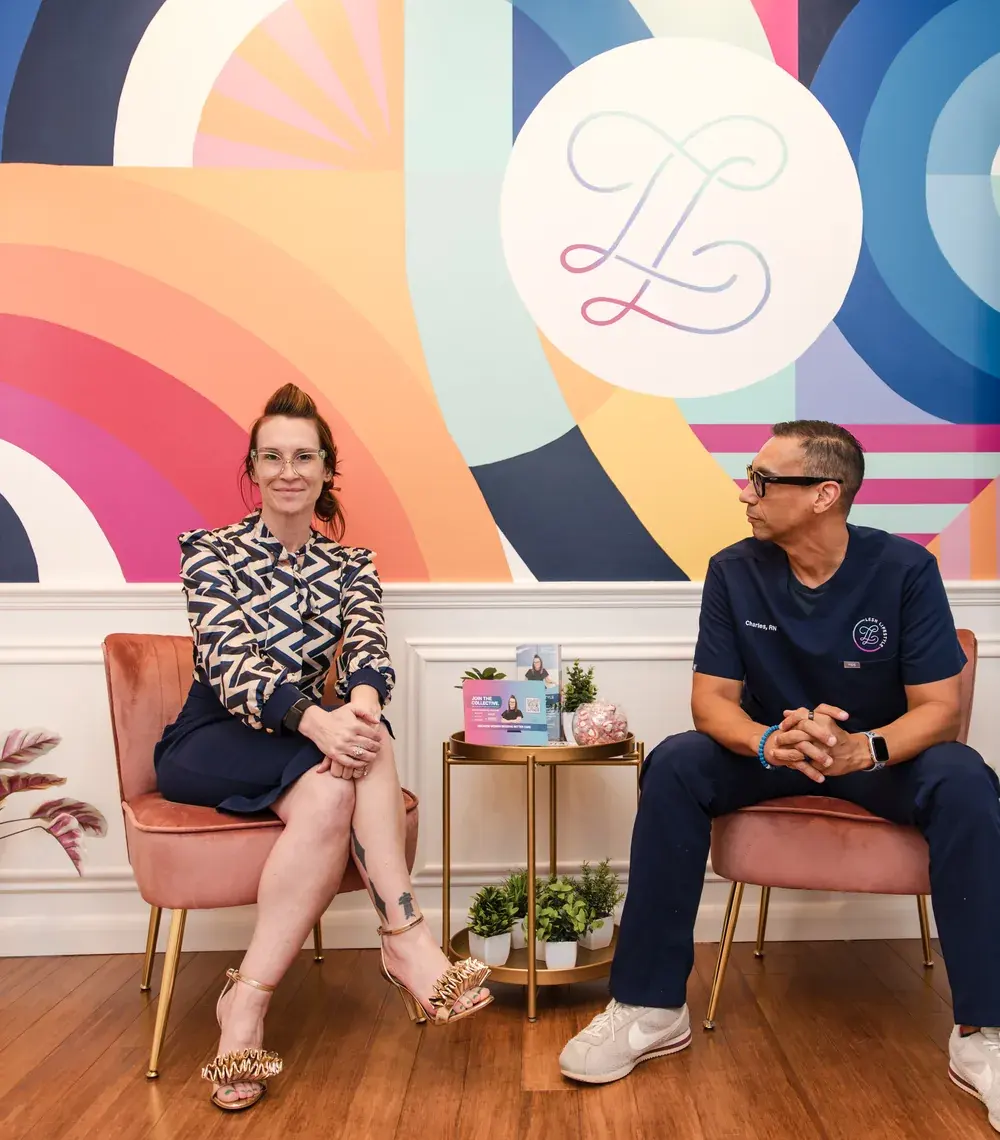
Dr. Sarah Secor-Jones and Charles, RN in the Lesh Lifestyle waiting room

Vaginal atrophy care in Sarasota

What makes GSM care at Lesh Lifestyle in Sarasota different

Many women arrive having been rushed or dismissed, with no clear explanation for symptoms they have carried for years. Your care here starts with the whole picture instead.

Tap to flip

One physician, one plan

Personal

Dr. Sarah knows your history because she took it, so hormone decisions are made against your full record instead of a template.

Tap to flip

The whole picture

Root cause

Vaginal and urethral symptoms are treated inside your full hormone picture, alongside the sleep, energy and mood changes moving with them.

Tap to flip

Pelvic tools on site

In-clinic

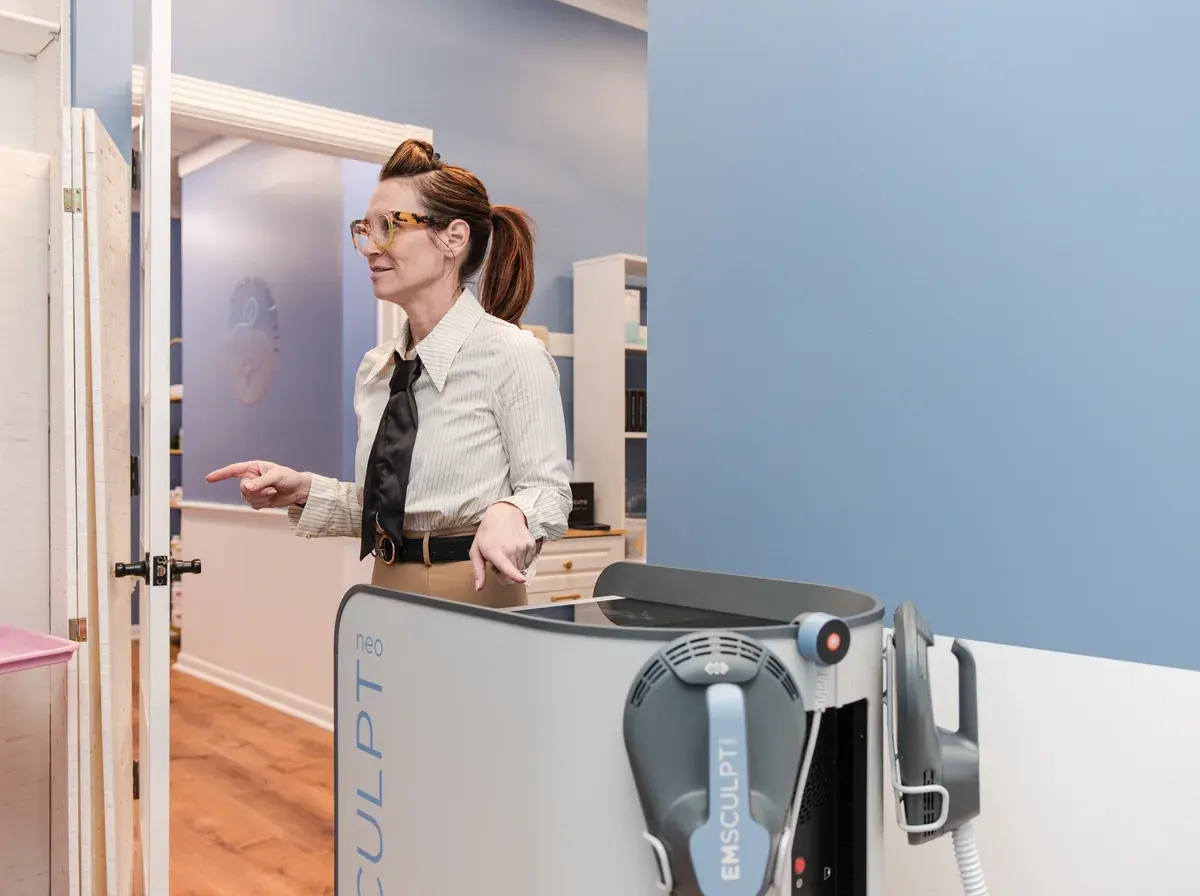
EMSELLA is available at the Sarasota clinic when pelvic floor strength is part of the problem, so treatment does not stop at a prescription.

Your first visit is a conversation with a physician.

No referral needed. Telehealth in 10 states.

FAQ

Your vaginal atrophy questions,
answered by Dr. Sarah

What women ask most often about vaginal atrophy, GSM and hormone options before a first visit in Sarasota.

Dryness, burning, pain with intercourse and spotting after sex are the most common. Others include itching, repeat urinary infections, urgency and leaking when you cough or laugh.

Often, yes. Local vaginal estrogen or DHEA, used consistently, can rebuild thickness, blood flow and lubrication over time. Dr. Sarah will set realistic expectations at your visit.

For most healthy postmenopausal women, low-dose vaginal estrogen carries very low risk, because little of it reaches the bloodstream. A history of breast cancer or clots changes that conversation.

Yes. Vaginal atrophy and GSM are common medical conditions, and Dr. Sarah treats them routinely at Lesh Lifestyle in Sarasota. They are not in your head.

Urethral atrophy treatment uses similar tools. Local estrogen around the urethra and vaginal opening thickens the tissue and eases urgency, with pelvic floor support such as EMSELLA where it suits.

For most healthy postmenopausal women, low-dose vaginal estrogen carries very low risk, since only small amounts reach the bloodstream. Dr. Sarah reviews your history, including breast cancer or clotting, before recommending it.