Low libido
Low libido treatment in Sarasota
Low desire is common in women and men, and it usually has more than one cause. Dr. Sarah reads your hormones, pelvic floor, sleep, mood and medications as one picture, then builds a plan from what she finds.
Low libido
Low libido treatment in Sarasota
Low desire is common in women and men, and it usually has more than one cause. Dr. Sarah reads your hormones, pelvic floor, sleep, mood and medications as one picture, then builds a plan from what she finds.
CONCERN & CAUSES
Why desire drops and why it rarely has one cause
Libido depends on hormones, blood flow, the pelvic floor, sleep and mood working together. A change in any one of them can quiet desire.
01
Shifting hormones
Falling estrogen, progesterone and testosterone in perimenopause, menopause and midlife in men can lower desire, arousal and energy. Thyroid and cortisol changes play a part too.
02
Pelvic floor and tissue change
A weak or overly tight pelvic floor, thinning vaginal tissue or reduced blood flow can make intimacy uncomfortable or less satisfying, which quietly lowers interest over time.
03
Sleep, stress and mood
Poor sleep, long-running stress, anxiety and low mood all compete with desire. They often travel together with hormone change in busy midlife years.
04
Medications and metabolism
Some antidepressants, blood pressure medicines and hormonal contraceptives affect libido. Weight change, blood sugar and low strength can lower energy and confidence as well.
HOW WE TREAT IT
Treating the causes for women and men
Dr. Sarah Secor-Jones starts with your history, medications and advanced labs, then treats the drivers she finds. Care is open to women and men, in person in Sarasota or by telehealth when appropriate.

Sexual & pelvic wellness
A root-cause sexual health plan that looks at hormones, pelvic floor function, mood and medications together.
Hormone therapy
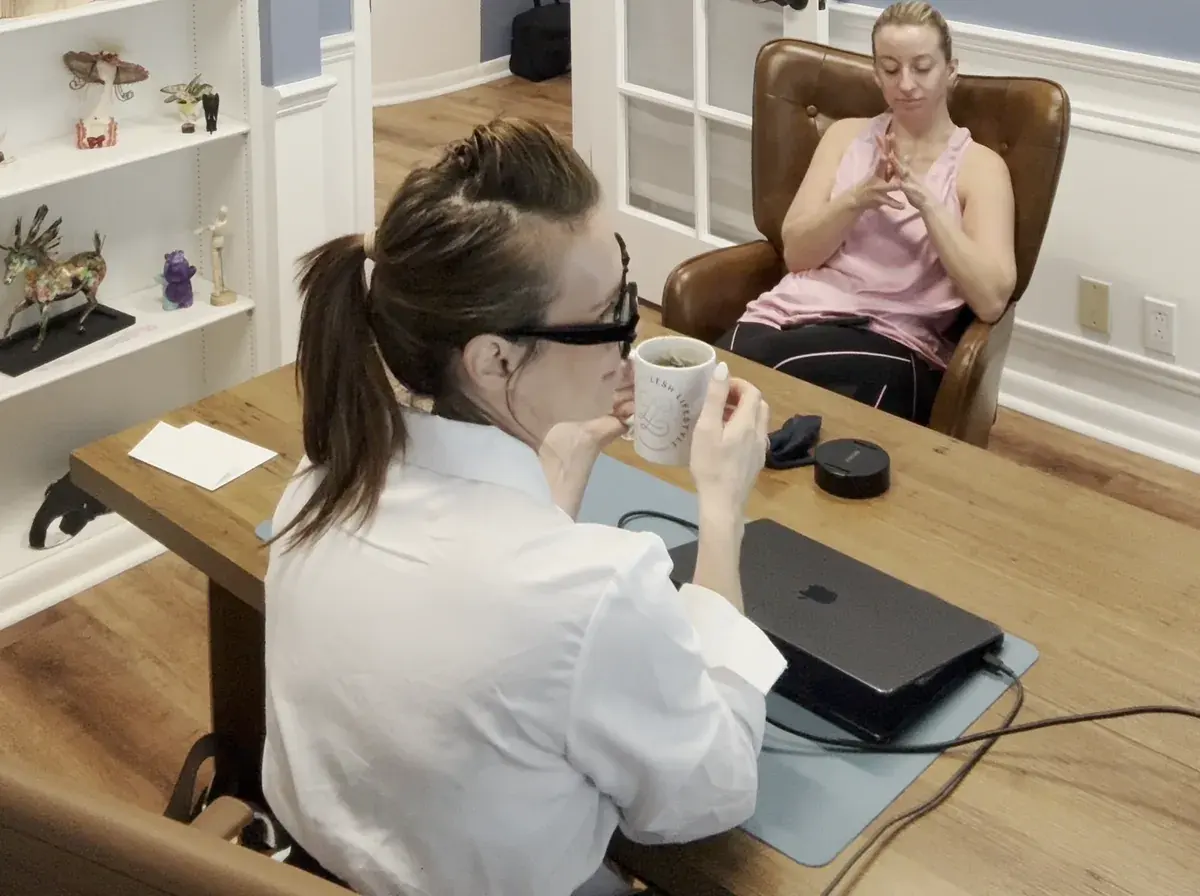
Bioidentical hormone therapy matched to your labs and symptoms, for women and men.
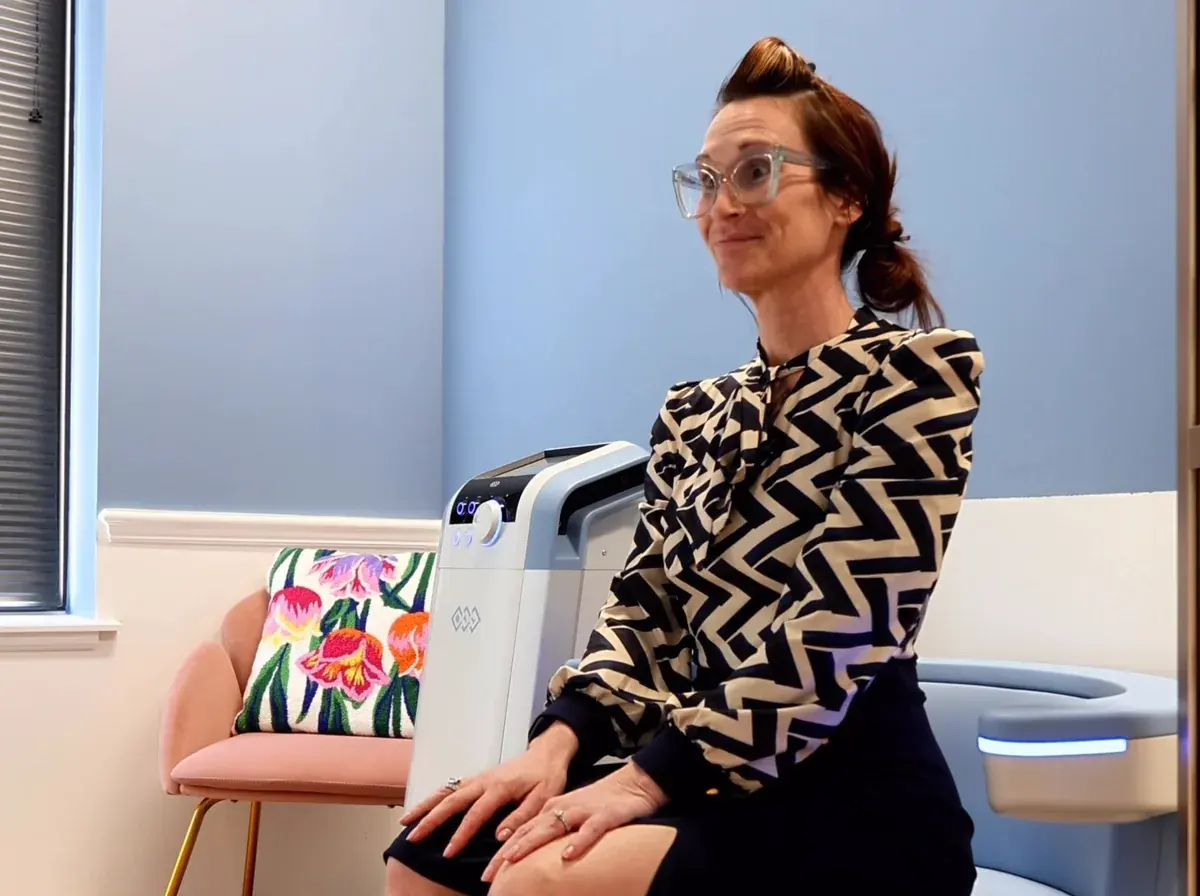
EMSELLA
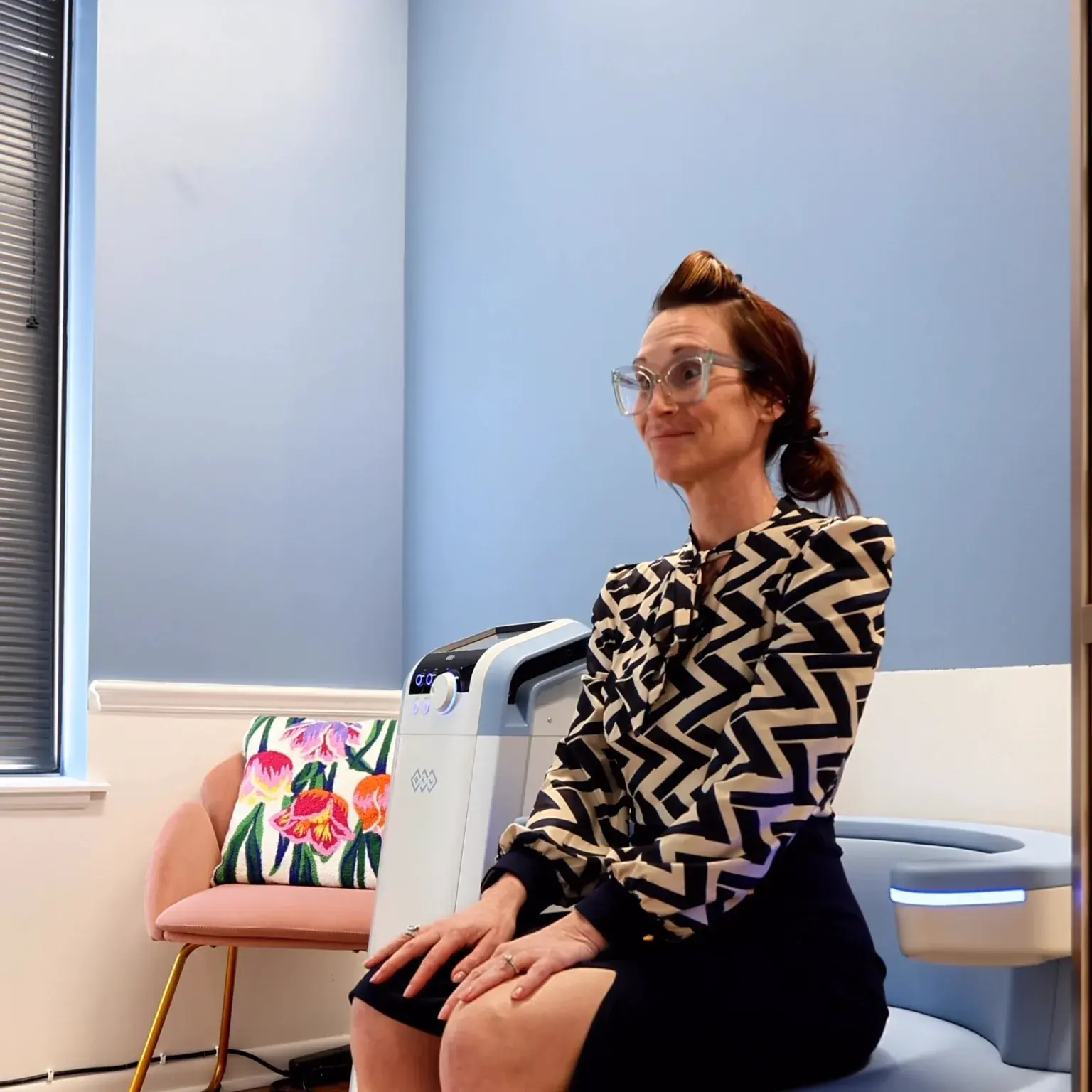
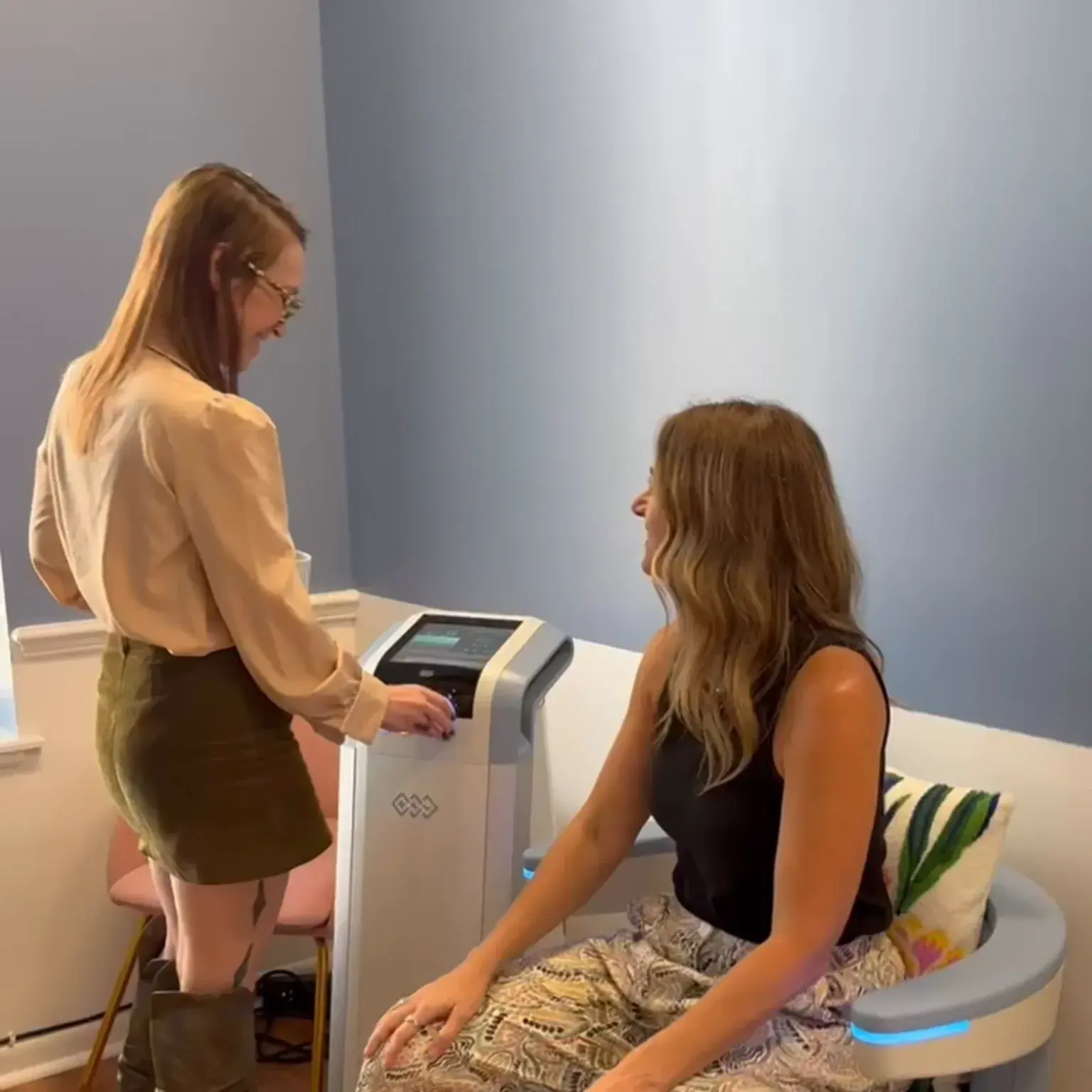
A chair that uses HIFEM technology to deliver thousands of pelvic floor contractions in one session.

Keeping desire steady over time
Libido responds to the same habits that support hormones, sleep and the pelvic floor. These keep the gains from treatment.
Protect your sleep
Build strength
Review your medications
Treat the pelvic floor
Recheck your labs




Your first visit is a conversation with a physician.
No referral needed. Telehealth in 10 states.
FAQ
Common questions about
low libido
Low libido usually has more than one cause. Hormone changes, pelvic floor problems, poor sleep, stress, low mood, some medications and metabolic changes can all lower desire. Dr. Sarah looks at your full history and labs before recommending treatment.
Yes. Care at Lesh Lifestyle is open to women and men. Low libido, low testosterone and erectile dysfunction in men are evaluated through the same root-cause approach, with labs and a written plan.
When labs and symptoms show a hormone imbalance, bioidentical hormone therapy may help restore desire along with energy and sleep. Dr. Sarah sets the plan from your own results and adjusts it at follow-up visits.
It is common, but it is treatable. Falling estrogen and testosterone, vaginal dryness and poor sleep during perimenopause and menopause often lower desire. Addressing these together usually works better than treating one in isolation.
EMSELLA strengthens the pelvic floor muscles with fully clothed sessions of about 28 minutes. When pelvic floor function is part of what is affecting intimacy or confidence, Dr. Sarah may add it to your plan.
Every new patient starts with a discovery call with Dr. Sarah. The first in-depth visit covers your history, medications and symptoms, and she orders labs chosen from what you describe. You meet again to review results and agree on a plan.