
Chronic migraines
Chronic migraines treated in Sarasota
If you are losing ten or more days a month, the answer is rarely another rescue pill. Dr. Sarah Secor-Jones looks for the hormonal, metabolic and nervous-system triggers underneath.

Chronic migraines
Chronic migraines treated in Sarasota
If you are losing ten or more days a month, the answer is rarely another rescue pill. Dr. Sarah Secor-Jones looks for the hormonal, metabolic and nervous-system triggers underneath.
CONCERN & CAUSES
What drives frequent migraines
Migraines cluster around a few underlying patterns. Finding yours is what turns a monthly calendar of lost days into something predictable and manageable.
01
Hormone swings
Estrogen and progesterone shifts before a period, in perimenopause or postpartum are one of the most common migraine triggers in women, and one of the most overlooked.
02
Sleep and blood sugar
Fragmented sleep, skipped meals and blood sugar crashes each lower the threshold for an attack. Together they can make migraines feel constant.
03
Dehydration and stress
Low fluids and electrolytes, chronic stress and tight neck and shoulder muscles keep the nervous system on edge and attacks frequent.
04
Medication rebound
Using rescue medication more than a couple of days a week can cause rebound headaches, so the treatment quietly becomes part of the problem.
HOW WE TREAT IT
Fewer migraine days with a plan you can trust
Dr. Sarah's emergency medicine background means she has treated migraines at their worst. Her goal now is to keep you out of the ER by addressing what triggers them.

Integrative medicine
A full assessment of hormones, thyroid, blood sugar, nutrients, sleep and inflammation to identify which triggers are driving your migraine pattern.
Bioidentical hormone therapy
Hormone-focused migraine care that smooths the estrogen and progesterone swings behind menstrual and perimenopausal migraines.

Nervous-system reset
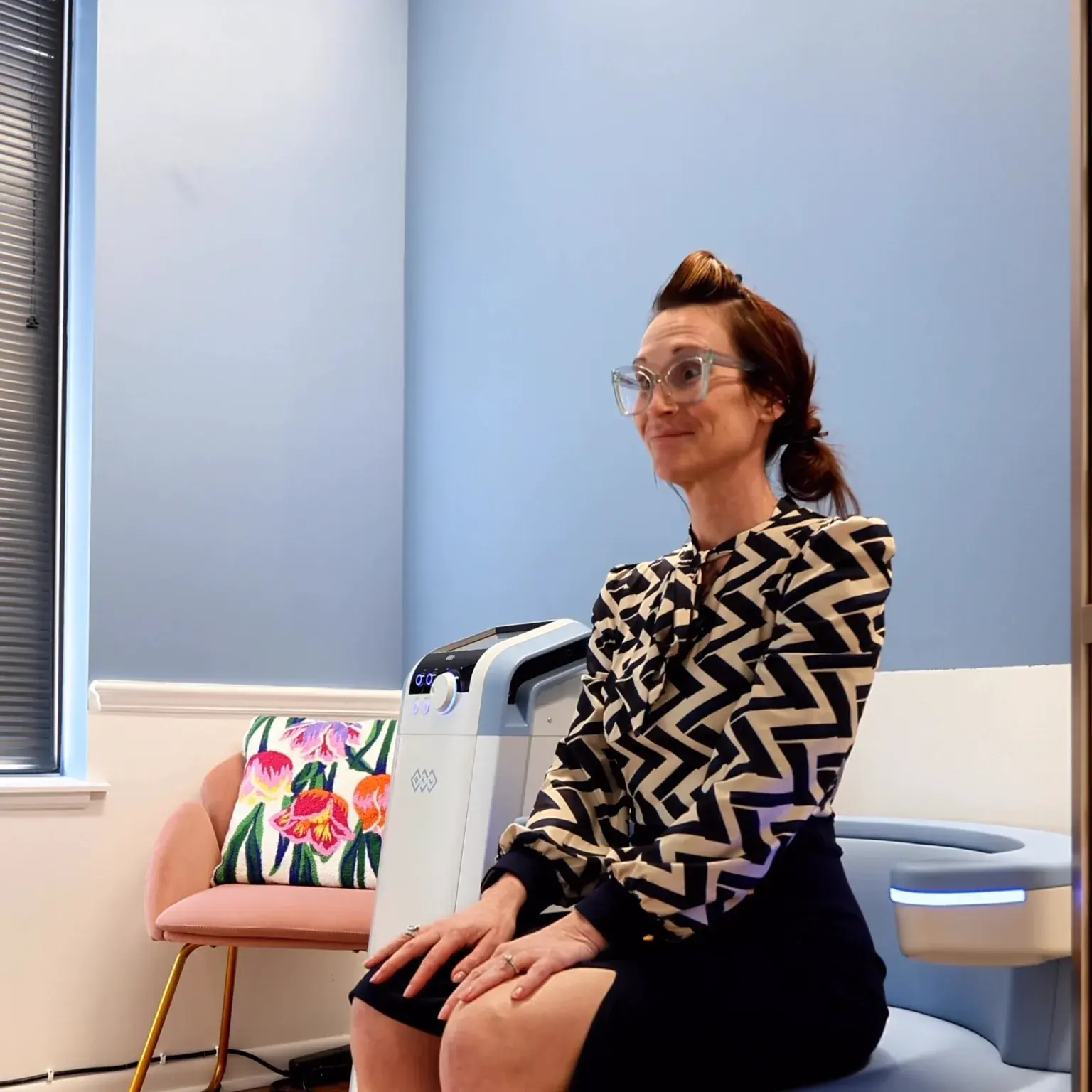
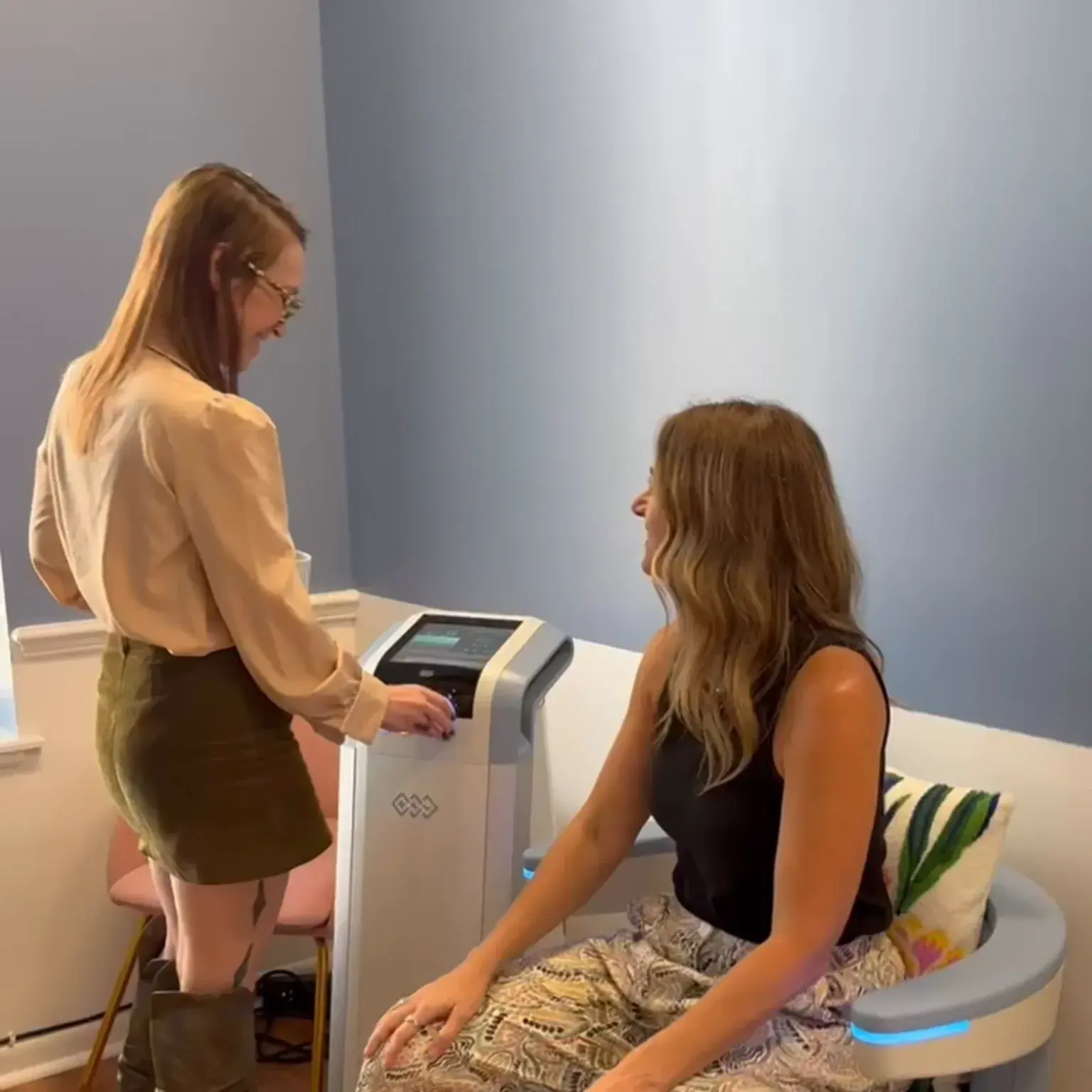
A structured plan for sleep, stress and recovery, with Exomind neuromodulation for qualifying patients, to calm the overactive system that keeps attacks frequent.
Medication review & rescue strategy
A physician review of everything you take, to remove rebound triggers and build a rescue plan that works early rather than in the emergency room.

Keeping attacks rare
Once the triggers are understood, a few steady routines keep the threshold high. Results vary, but most patients see fewer and milder days within a few months.
Keep a migraine log
Fluids and electrolytes
Protect your sleep schedule
Do not skip meals
Use rescue meds early and sparingly


Your first visit is a conversation with a physician.
No referral needed. Telehealth in 10 states.
FAQ
Common questions about
chronic migraines
Lesh Lifestyle approaches chronic migraines through integrative medicine. Dr. Sarah looks at hormones, sleep, stress, medications, and metabolic health together to understand the pattern. Patients in Sarasota and across her telehealth states get longer visits and clear guidance on next steps.
Many patients continue with a neurologist, especially if they have complex findings on imaging or other neurologic concerns. Dr. Sarah focuses on root-cause and hormonal migraine care and can coordinate with your neurologist when needed. She will tell you directly if a separate specialist is important for your safety.
Yes. Shifts in estrogen and progesterone can make the brain more sensitive to migraine triggers. That is why many people notice migraines before their period, around ovulation, in pregnancy, or during perimenopause. At Lesh Lifestyle in Sarasota, hormone patterns are part of every migraine workup.
Treatment plans may include lifestyle and sleep changes, targeted supplements, medication adjustments, and hormone support through BHRT when appropriate. Mental wellness support is added when stress or anxiety is part of the picture. The exact mix depends on your history and exam, and is decided with Dr. Sarah after assessment.
Some patients notice fewer or lighter migraines within the first few months. For long-standing chronic migraines, more meaningful change often takes several months of steady work. Dr. Sarah tracks your migraine days and symptoms over time, then adjusts the plan. The focus is progress over time, rather than instant change.
Yes, when it is clinically appropriate. Dr. Sarah offers telehealth migraine care in AL, FL, GA, MD, MI, MO, NY, PA, TN, and TX. If an in-person exam or procedure in Sarasota is needed, she will explain that during your discovery call so you know what is possible from your location.
Normal imaging and basic labs are common in migraine patients. Your symptoms are still real and still worth investigating. At Lesh Lifestyle, Dr. Sarah reads past test results, plus more detailed hormone and metabolic data when needed, in the context of your full symptom story.
Yes. Many patients come to Lesh Lifestyle already taking preventive or rescue medications. Dr. Sarah reviews what you are on, how often you take it, and how well it works. Changes, tapers, or additions are made carefully, with a plan to avoid rebound headaches and to keep you safe while working toward fewer attacks.
Some basics help almost everyone: regular sleep, stable meals, hydration, and reduced screen time before bed. Beyond that, Dr. Sarah looks at your actual schedule, family needs, and work demands in Sarasota or wherever you live, then chooses a few strong moves you can realistically keep.
Your first step is a discovery call with Dr. Sarah. You will talk through your migraine history, current medications, and what you are hoping to change. If it is a good fit, you will schedule a longer integrative visit, either in person in Sarasota or by telehealth. When you are ready, you do not have to manage chronic migraines alone. A clear plan and a physician who listens can make the next chapter feel different.