
Hormones & menopause
Vaginal atrophy and GSM care in Sarasota
Dryness, burning, pain with sex, or that “sandpaper” feeling are not things you bring up easily. They showed up gradually, then all at once it seemed, and now they are hard to ignore.
This is more than an annoyance. It can change how you feel about intimacy, exercise, even using the bathroom. If you are asking yourself “why am I dry down there all of a sudden,” you are in the right place.
Vaginal atrophy and genitourinary syndrome of menopause (GSM) are common, medical conditions. They are not “just in your head” and you do not have to live with them.
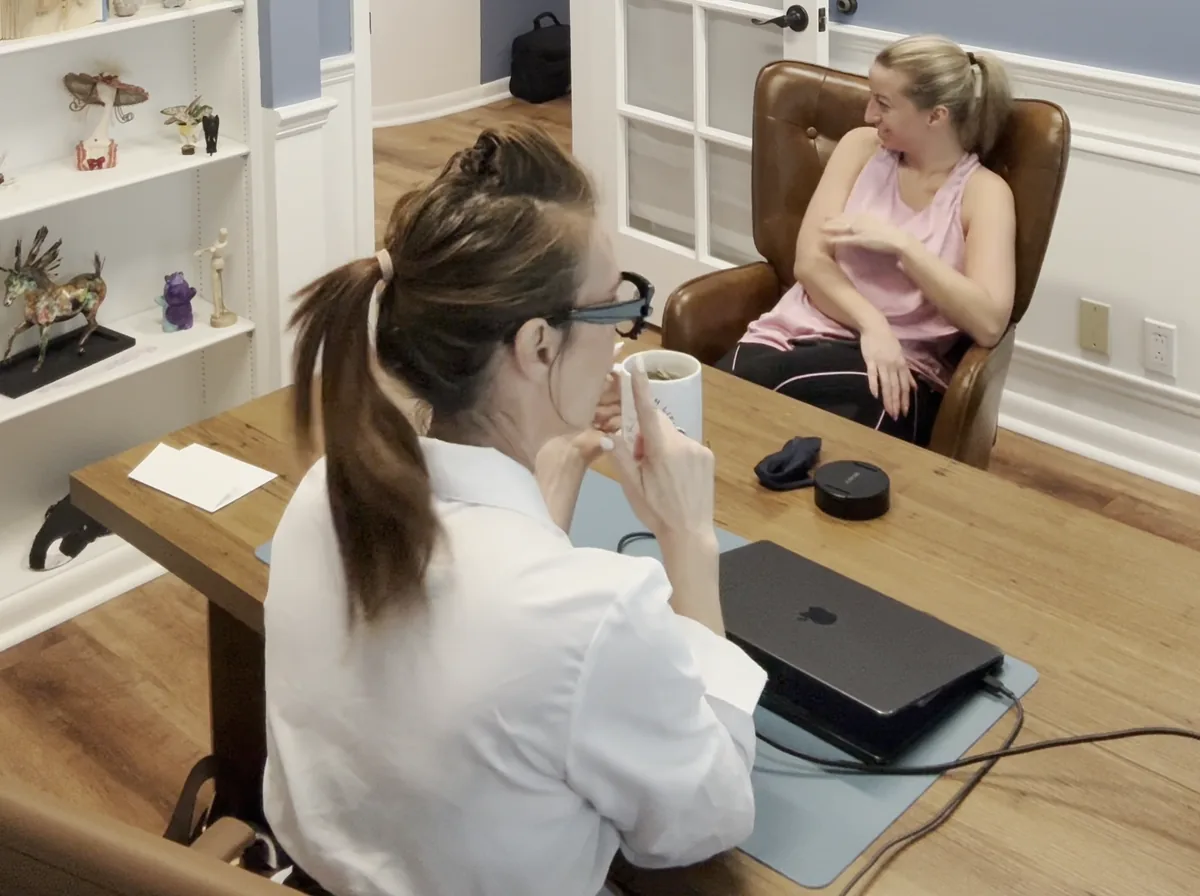
At Lesh Lifestyle in Sarasota, Dr. Sarah Secor-Jones, DO, FACEP listens first, then looks at the whole picture of your hormones, pelvic health, and symptoms. The goal is clear, steady improvement in comfort, function, and confidence.
Why this is happening: the real cause of vaginal atrophy
As estrogen and other hormones decline around menopause, the tissues of the vulva, vagina, and urethra lose collagen, blood flow, and natural moisture. The medical term for this is genitourinary syndrome of menopause.
Without that hormonal support, the lining becomes thinner and more fragile. The pH shifts, the muscles can weaken, and nerves can become more sensitive.
That is why vaginal atrophy symptoms often show up together with urinary urgency, urethral irritation, or pelvic floor changes. Everything in that area is connected.
Dr. Sarah looks beyond one symptom. She pieces together your menstrual history, hormone status, medications, childbirth history, and current stressors to see what is driving your changes.
When we understand the cause, treatment stops feeling like guesswork.
How Dr. Sarah treats vaginal and urethral atrophy
You may have read articles about “how to treat vaginal atrophy” and felt more confused than when you started. At Lesh Lifestyle, treatment is not one cream or one device. It is a plan built around your biology.
Dr. Sarah focuses on:
- Restoring hormonal support where it is missing
- Improving blood flow and tissue health locally
- Rebuilding pelvic floor strength and nerve signalling
- Reducing pain and friction so intimacy feels safe again
When urethral atrophy treatment is also needed, she pays close attention to bladder symptoms, leakage, and infection patterns. The same hormonal shifts affecting the vagina can thin and irritate the urethra and surrounding tissue.
Your plan might include:
- Local vaginal estrogen or DHEA, applied directly to the tissue
- Systemic bioidentical hormone therapy, when appropriate and safe
- Non-hormonal options for those who cannot use estrogen
- Specific lubricants and moisturizers that match your tissue needs
- Pelvic floor support, including EMSELLA where suitable
- Lifestyle and medication adjustments that affect vaginal health
Every element has a clear “why” behind it. You leave knowing exactly what each step is meant to do.
How treatment feels and what to expect
Most treatments for vulvovaginal atrophy are simple to use at home. Vaginal creams, tablets, or rings take a few minutes to apply and then you get on with your day.
Common experiences include:
- Mild warmth or awareness in the area for a short time after application
- Gradual increase in moisture and comfort over weeks
- Less burning or tearing with intercourse as tissue rebuilds
Pelvic floor treatments such as EMSELLA feel like strong, rhythmic muscle contractions while you sit fully clothed on a specialized chair. You may notice your pelvic muscles working in a way that feels new.
Dr. Sarah will review normal sensations, what is not expected, and what to do if something feels off. You are never left guessing.
When results start and how long they last
With local vaginal therapies, some patients notice less dryness and irritation over the first stretch of use. Deeper tissue changes such as improved elasticity, less pain with sex, and fewer urinary symptoms often build with continued treatment.
Hormone-based treatments work as long as the tissue is supported. If you stop them completely, symptoms can slowly return.
Dr. Sarah schedules follow-up to match your plan and how you are doing. Adjustments are normal and expected.
The goal is not a quick fix that fades. It is stable, ongoing comfort.
The Lesh Lifestyle experience
What vaginal atrophy and GSM feel like
You may have googled “vaginal atrophy symptoms” or “vulvovaginal atrophy” and seen long lists. In real life, it often starts with small changes you notice day to day. You might recognize: Some people also notice external changes, like thinning or pale skin of the vulva, or less stretch. You may feel “less there” or like your body no longer matches your desire. None of this means you are broken. It means your tissues are asking for support.
Dryness or tightness that was not there before
Burning, stinging, or rawness, especially after sex or sitting
Pain with penetration, even with plenty of lubrication
Spotting after intercourse or pelvic exams
More frequent urinary tract infections
Leaking urine when you cough, laugh, or exercise
Urgency, pressure, or discomfort around the urethra
The process
What happens at your GSM visit in Sarasota
- You start in a quiet room talking with Dr. Sarah. You can use your own words to describe dryness, pain, or changes in desire. She will ask about your cycles, pregnancies, births, surgeries, medications, and any history of endometriosis, fibroids, or cancer. If you have been on previous hormone therapy, that history matters too. Nothing is “too personal” here. This is normal conversation in this clinic.
- If you are comfortable, Dr. Sarah may recommend a gentle pelvic and vulvovaginal exam. She looks for thinning, color changes, tissue elasticity, and any areas of specific tenderness. You can expect clear explanation before she does anything. You can pause or stop at any time. Many patients are surprised by how quick and simple this feels compared to their expectation. You are covered, positioned carefully, and spoken to throughout.
- Which medications or therapies you will be using
- How often to apply or take them
- What changes to watch for and when
Why Lesh Lifestyle
Why work with Lesh Lifestyle for GSM care
Many people who reach Lesh Lifestyle in Sarasota describe feeling dismissed or rushed in past appointments. They left without a clear explanation or plan for their vaginal atrophy symptoms.
Here, your care is centerd around:
Dr. Sarah Secor-Jones, DO, FACEP is a board-certified emergency physician with 12 years in practice and focused training in menopause care. She is Konenki-vetted in menopause and has completed Dr. Heather Hirsch’s menopause certification.
She brings that depth of acute-care experience into calm, clear, outpatient visits. You get the benefit of strong clinical training in a private setting.
Working directly with one physician who knows your history
Addressing vaginal and urethral symptoms within your full hormone picture
Access to pelvic health tools like EMSELLA on-site when they are appropriate
Integrative, evidence-based medicine guiding each recommendation
Start with a conversation.
Dr. Sarah Secor-Jones, DO, FACEP personally takes every discovery call. Share what has been going on and hear how she would investigate it, with no pressure to decide on the spot.
FAQ
Vaginal atrophy and GSM FAQ
You are likely feeling the effects of shifting hormones, especially estrogen. As levels drop, the vaginal and vulvar tissues lose moisture, thickness, and elasticity, which leads to dryness and irritation. Stress, some medications, and over-the-counter products can make this worse. Dr. Sarah helps patients in Sarasota sort out which factors are at play and builds a plan to reverse the tissue changes where possible.
Vaginal atrophy symptoms can often be significantly improved and, in many cases, the tissue changes can be partly reversed. Local vaginal estrogen or DHEA, used consistently, can rebuild thickness, blood flow, and lubrication over time. Results depend on your overall health, how long symptoms have been present, and whether other conditions are involved. Dr. Sarah will walk you through realistic expectations at your visit.
The most common symptoms are dryness, burning, pain with intercourse, and spotting after sex. Others include itching, stinging, more frequent urinary infections, and feeling like the tissue is tight or tearing easily. Some patients also notice urinary urgency, leakage, or discomfort around the urethra. If you are unsure what you are feeling, a visit at Lesh Lifestyle in Sarasota can clarify things.
Vulvovaginal atrophy is the thinning and drying of the tissues of both the vulva (external genital area) and the vagina. It is usually related to low estrogen and is now grouped under the broader term genitourinary syndrome of menopause (GSM). This can affect comfort with sex, daily activities, and bladder function. Dr. Sarah evaluates all of these areas together so treatment is complete and joined up.
Urethral atrophy treatment often uses similar tools as vaginal atrophy treatment. Local estrogen around the urethra and vaginal opening can thicken and strengthen the tissue, reducing irritation and urinary urgency. Pelvic floor therapies and addressing recurrent infections are also important. At Lesh Lifestyle, urethral symptoms are taken seriously and folded into your overall plan.
Yes, there are non-hormonal options for some patients. These include specific vaginal moisturizers, lubricants, and sometimes devices or pelvic floor therapies that improve blood flow and function. However, when dryness is driven by significant estrogen loss, hormones often give the strongest results. Dr. Sarah will review your history, including any cancer risk, before recommending hormone or non-hormone paths.
Pain with sex after menopause is common, but it is not something you have to accept as your new normal. It often comes from vulvovaginal atrophy, pelvic floor tension, or both. Using the right treatment to restore tissue health and adjust muscle patterns can make intercourse more comfortable again. A detailed assessment at Lesh Lifestyle in Sarasota helps sort out which factors matter most in your case.
Some women feel less burning and irritation within the early weeks of starting local therapy. More complete changes in elasticity, lubrication, and comfort with sex tend to build gradually with consistent use. Follow-up with Dr. Sarah allows fine-tuning of dose and form as your body responds. You are not left to figure it out alone.
For most healthy postmenopausal women, low-dose vaginal estrogen is considered very low risk. Because it is applied locally, only small amounts are absorbed into the bloodstream compared to systemic hormone therapy. Your personal risk profile still matters, especially with a history of breast cancer, blood clots, or certain other conditions. Dr. Sarah reviews your full history and coordinates with your other physicians in Sarasota or out of state when needed.
Some aspects of GSM care can start through telehealth, such as symptom review, history, and discussing options. However, a pelvic exam is often important at some point to check for other causes and tailor treatment. Lesh Lifestyle offers telehealth in 10 states, including Florida, but pelvic and device-based care must be done in person. You can begin with a discovery call to see what is possible for your situation. When you are ready to talk about what you are feeling, there is space for that here. Your comfort, intimacy, and pelvic health deserve careful, medical attention.