
Hormones & menopause
Menopause weight gain support in Sarasota
The extra weight showed up in the middle first. Your clothes fit differently. Your shape feels unfamiliar. You are exercising, watching what you eat, and the scale barely moves. It is frustrating, and it is not just “getting older.”
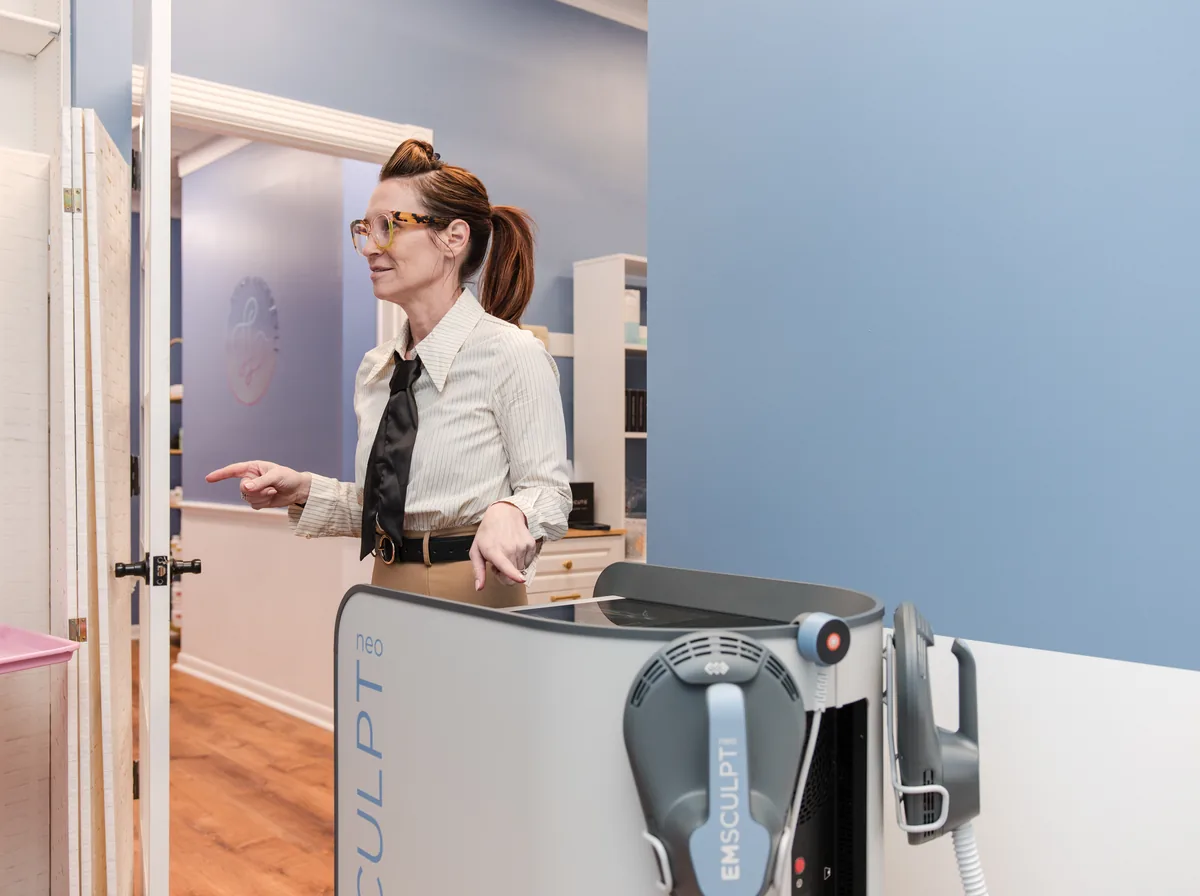
This is how hormonal change often looks in real life. Not only hot flashes or irregular cycles, but a thicker waist, stubborn “menopause belly fat,” and weight that used to respond to effort, then stopped.
Dr. Sarah Secor-Jones, DO, FACEP reads your hormones, metabolism, sleep, stress, and history together. Then she builds a medical plan to address menopause weight gain from the root, instead of handing you another generic diet.
Why weight changes in perimenopause and menopause
You may be asking big questions right now: “Does estrogen cause weight gain?” “Does HRT cause weight gain?” “Why do I feel like my body changed overnight?”
Here is what is going on, in plain language.
As estrogen and progesterone shift, they change how your body uses insulin, builds muscle, and stores fat. That often means more fat around the abdomen, less lean muscle, and more blood sugar swings, even if nothing else in your life changed.
At the same time, sleep often worsens, stress climbs, and thyroid or cortisol can drift out of range. You may be eating the same foods, but your body is processing them differently. That is why old plans stop working.
Menopause weight gain is not a failure of willpower. It is a change in biology.
How Dr. Sarah approaches menopause weight gain
Many women who come to Lesh Lifestyle have tried a long list of things. Different diets. More cardio. Fewer carbs. Intermittent fasting. Short-term weight loss, then regain. Or no loss at all.
Dr. Sarah approaches this differently.
She looks at weight gain as a symptom of an underlying pattern. Hormones, insulin resistance, inflammation, gut health, stress, sleep, and movement all matter. The visit is calm and unhurried. You talk. She listens, asks detailed questions, and takes a clear history.
For many women, this includes a discussion about hormone therapy, often called HRT. You might also ask, “Does estradiol cause weight gain?” or “Can HRT help you lose weight?” The truth is that hormone therapy can support weight management in some women, and feel neutral in others. It depends on dose, form, timing, and your other hormones.
At Lesh Lifestyle, hormone therapy is used within a broader menopause and weight plan when it fits your history and goals.
HRT, estrogen and weight: the real story
Online, you will see opposite claims. Some say “HRT causes weight gain.” Others insist “HRT melts fat.” Neither is the full picture.
So does estrogen cause weight gain? Estrogen itself is not a “weight gain hormone.” During perimenopause, estrogen can swing high and low, which can cause bloating, breast tenderness, and fluid shifts. That can feel like weight gain even when fat mass has not changed much.
Long term, very low estrogen after menopause is linked with more abdominal fat and less muscle. Replacing estrogen in a balanced way may actually help prevent some of that shift for certain women. But it is not a weight loss drug.
Does HRT cause weight gain? Some women notice an initial few-pound change when starting hormone therapy, often related to fluid balance or changes in appetite. For many, this settles over time. In some cases, if doses are too high or not well matched, hormones can worsen symptoms.
This is why a one-size HRT plan is risky. At Lesh Lifestyle, hormone therapy is adjusted over time, guided by your symptoms and follow-up labs.
How weight loss support fits into your menopause plan
You might be wondering, “Does HRT help with weight loss?” or “How do you lose weight during menopause when nothing works?”
For some women, correcting hormones is enough to make weight loss possible again with the right nutrition and movement. For others, additional tools are needed.
Dr. Sarah may incorporate:
- Prescription weight loss medications, including GLP-1 medicines, when medically appropriate.
- Stepwise changes to food patterns, focusing on stabilizing blood sugar, supporting gut health, and addressing trigger foods rather than extreme restriction.
- Strength training guidance to protect muscle, which supports metabolism.
- Gentle changes to timing of meals and sleep that fit your real schedule.
The goal is not a crash diet. It is a sustainable program that respects how your body works in perimenopause and beyond.
Ongoing follow-up and support
Menopause weight gain did not appear overnight, and it will not resolve in one visit. Ongoing care is built into how Lesh Lifestyle works.
Follow-ups are scheduled to review how you are feeling, adjust hormone doses, track weight trends, and tweak your plan. Labs are repeated when needed, based on your progress and symptoms.
You have access to secure messaging through the concierge platform between visits for questions and updates. Adjustments can often be made without an extra trip to the office, which matters when you are busy and pulled in many directions.
If you live outside Sarasota, telehealth is available in 10 states for appropriate parts of your menopause and weight plan.
Is it right for you
Is menopause weight support at Lesh Lifestyle right for you?
This program may be a fit if:
If you are looking for a single quick prescription without deeper evaluation, this may not be the right practice. The work here is steady and thorough.
When you are ready to understand why your weight changed in menopause, there is help.
• You are in your 40s, 50s, or early 60s and have noticed weight gain in your midsection that does not respond to your usual efforts.
• You are also noticing other perimenopause or menopause symptoms, like hot flashes, mood shifts, sleep changes, or vaginal dryness.
• Your doctor told you “everything is normal” on your labs, but you do not feel normal.
• You want one physician to look at the whole picture, including weight, hormones, and mood.
The Lesh Lifestyle experience
What it feels like to be a patient here
The office in downtown Sarasota is quiet and calm. You are seen on time. The conversation is direct but kind. You are not rushed through a checklist. Dr. Sarah is a board certified emergency physician with 12 years in practice and 2,000+ patients cared for through Lesh Lifestyle since 2022. She has advanced training in menopause medicine and takes every discovery call herself. You know who you are seeing. You know there is a plan.
The process
What your menopause weight visit includes
Every plan starts with a discovery call, then a focused menopause visit. Here is what that actually looks like.
- You start by talking through your story with Dr. Sarah. When the weight shifted. How your periods changed. Your pregnancies, past diets, sleep, mood, cravings, hot flashes, vaginal changes, and libido. Also what your typical day looks like. Many women say this is the first time anyone has asked this many specific questions, or connected their symptoms in one place.
- If testing is needed, Dr. Sarah orders labs as part of a broader program. No isolated hormone draws with no follow-up. Typical panels may include sex hormones, thyroid function, insulin and glucose markers, lipids, vitamin levels, and sometimes cortisol. The goal is to see how your hormones, metabolism, and inflammation are working together. One clear picture.
- When your results are back, Dr. Sarah walks you through them line by line. She explains how estrogen, progesterone, and testosterone are interacting with insulin and thyroid, and how that relates to your weight, energy, and sleep. You see how your symptoms map to the numbers. The pieces start to make sense.
- Bioidentical hormone therapy when appropriate, with dose and delivery matched to your history, risks, and goals.
- Menopause-focused weight management, including options like GLP-1 medications when indicated.
- Nutrition guidance that goes beyond “eat less.” This often includes discussion of protein targets, timing of meals, and specific foods to avoid that can worsen menopause belly fat, such as frequent sugary drinks, ultra-processed snacks, and constant grazing.
Start with a conversation.
Dr. Sarah Secor-Jones, DO, FACEP personally takes every discovery call. Share what has been going on and hear how she would investigate it, with no pressure to decide on the spot.
FAQ
Menopause weight gain FAQs
Estrogen itself does not automatically cause weight gain, but shifts in estrogen can change where and how your body stores fat. During perimenopause, swings in estrogen can cause bloating and fluid changes that feel like rapid weight gain. After menopause, low estrogen is linked with more abdominal fat.
Estrogen changes can contribute to more fat around the midsection, especially when combined with insulin resistance and loss of muscle. A clear evaluation helps separate fluid shifts from true fat gain, and shows which levers are most important in your case.
HRT does not always cause weight gain. Some women notice a small early change from fluid shifts when starting hormone therapy, while others feel it helps stabilize their weight. At Lesh Lifestyle, HRT is adjusted over time based on your response, so any unwanted weight effect can be addressed quickly.
Estradiol is one form of estrogen and does not automatically lead to weight gain. Dose, delivery method, and balance with progesterone and testosterone matter. If estradiol is part of your plan at Lesh Lifestyle, Dr. Sarah monitors symptoms and labs to keep your treatment aligned with your goals.
HRT can make weight loss during menopause more achievable for some women by improving sleep, hot flashes, and insulin sensitivity. It is not a stand-alone weight loss treatment. At Lesh Lifestyle in Sarasota, hormone therapy is combined with nutrition, movement, and sometimes medical weight loss tools.
You lose weight during menopause by addressing hormones, metabolism, and lifestyle together. That usually means enough protein, smart strength training, good sleep, stress support, and sometimes medications. Dr. Sarah builds a clear plan around these pieces so you are not guessing what to do next.
During perimenopause, hormones are shifting from month to month, so the plan often focuses on stabilizing blood sugar, supporting sleep, and easing symptoms like mood swings and cravings. At Lesh Lifestyle, perimenopause weight plans consider your cycle pattern, labs, and daily demands before making changes.
HRT can support weight loss by improving symptoms that drive weight gain, like poor sleep, night sweats, and low mood. It can also help preserve muscle when combined with strength training. In Dr. Sarah’s practice, hormone therapy is one tool that sits inside a broader menopause and weight program.
It helps to limit frequent sugary drinks, refined sweets, highly processed snack foods, and late-night grazing, which can worsen insulin resistance and belly fat. Rather than a strict “never” list, Dr. Sarah works with you to identify the patterns in your own diet that most strongly affect your weight.
You should see a menopause specialist when weight gain shows up with other changes, like irregular cycles, hot flashes, brain fog, or low libido. If your usual diet and exercise no longer work and your labs were called “normal,” it is time for a deeper look. A discovery call with Lesh Lifestyle is the first step. When you are ready to understand why your weight changed in menopause, there is help.