
Hormones & menopause
Thinning hair in menopause that does not feel like “just aging”
You noticed it in the shower first. More strands on the drain. A wider part in photos. Ponytail smaller than it used to be.
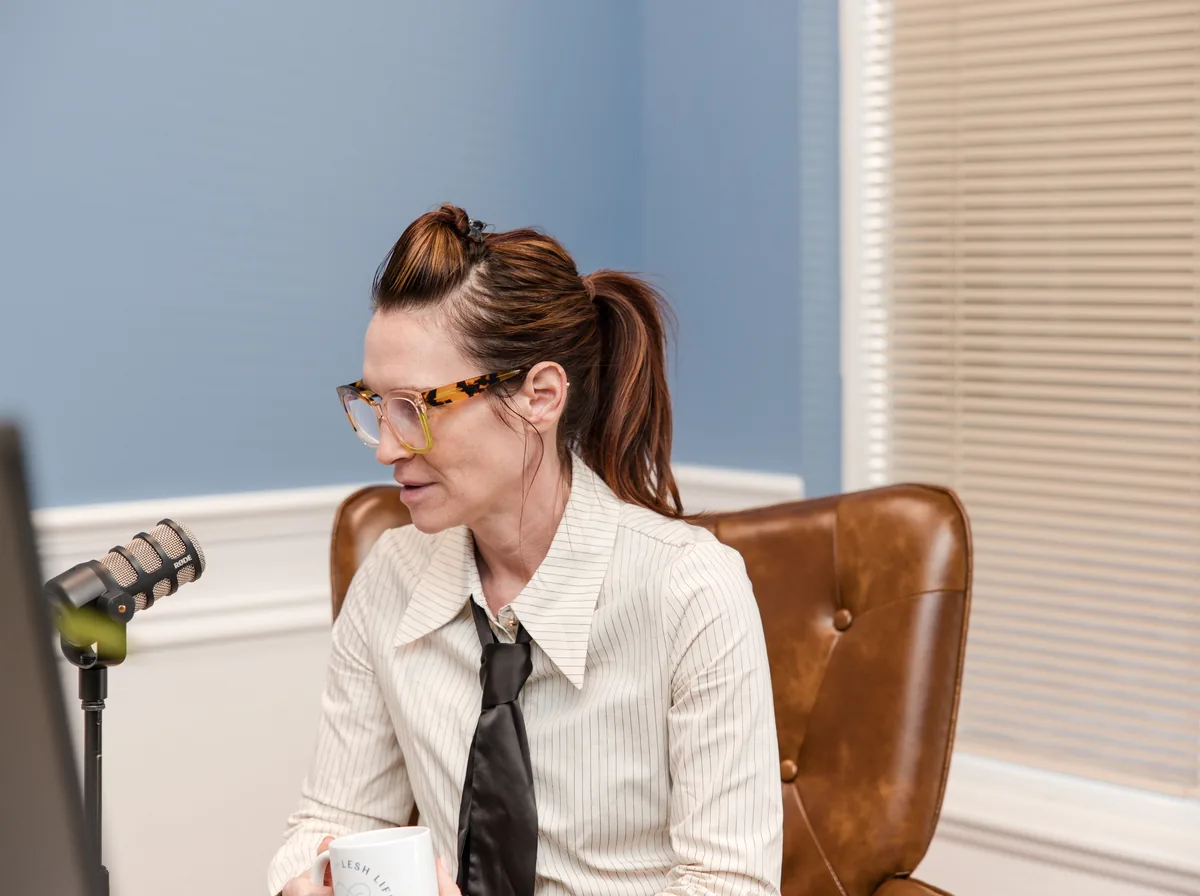
When menopause hair loss shows up, it can feel like one more thing “off” in a body that already feels different. You may have been told it is normal, or that your labs are fine. It still bothers you.
Dr. Sarah Secor-Jones, DO, FACEP reads hair changes together with your hormones, stress load, nutrition, thyroid and medications, then builds a plan to support regrowth from the inside out. Not a quick fix. A clear, medical approach to why it may be happening and what you can do about it.
Why hair changes with menopause
Falling estrogen and progesterone shift the way hair grows. Strands spend less time in the growth phase and move more quickly into shedding. Androgens can become more dominant, which can miniaturise follicles and thin hair over time.
At the same time, thyroid changes, low iron, high stress, poor sleep and rapid weight changes can add their own strain to the system. That is why two people of the same age can have very different experiences with menopause hair loss.
At Lesh Lifestyle in Sarasota, Dr. Sarah looks for the full set of contributors instead of blaming age alone. When you understand the “why,” the treatment plan makes sense.
How Dr. Sarah approaches menopause hair loss
Many women are offered a shampoo, a supplement or a topical foam and sent on their way. Those can help, but they do not explain why your hair started thinning when it did, or why it is shedding this much now.
Here, menopause hair loss is treated as a meaningful signal from your body. Dr. Sarah starts with your story. She connects hair changes to hormone balance, stress response, nutrition, thyroid health, blood flow to the scalp and the medications you take.
From there she can recommend a plan that may include hormone optimization, targeted lab-based supplementation, stress and sleep support, and when appropriate, regenerative options like platelet-rich fibrin (PRF) hair restoration in the Sarasota clinic. The aim is stronger, thicker hair where follicles are still viable, and a body environment that helps you keep it.
Menopause hair loss: what we look for
Every woman’s pattern is a little different. During your intake and exam, Dr. Sarah pays attention to the details that often get missed in quick visits.
Changes you may notice
You do not need to have “bald spots” for menopause hair loss to be real. Signs can be subtle at first, then accelerate.
- A wider part, especially at the crown
- More scalp showing around the temples
- Shorter, finer hairs replacing longer ones
- More hair on your pillow, brush or shower drain
- A ponytail that feels thinner in your hand
You may also notice your hair feels drier, breaks more easily or does not style the way it used to.
Clues in your health history
Hair loss rarely happens in isolation. During your visit, Dr. Sarah connects it to other changes like:
- Irregular or absent periods
- Hot flashes or night sweats
- Sleep disruption or early morning waking
- Brain fog, low mood or anxiety
- Weight gain around the middle
- Low libido or vaginal dryness
These patterns help her see where your hormones sit and how your body is handling the transition.
Scalp and hair examination
In the Sarasota office, Dr. Sarah examines your scalp for density, miniaturisation, inflammation and scale. She looks at hair calibre and growth patterns. If needed, she may recommend dermatology evaluation for purely scalp-based conditions that need separate care.
The Lesh Lifestyle experience
What menopause hair loss treatment feels like
Most of the work happens in conversation, labs and daily shifts to support your body. Those pieces feel like extended, focused visits rather than rushed appointments. You talk, Dr. Sarah listens, explains and adjusts. If you choose PRF hair restoration in Sarasota, plan on being in the office for about an hour. The blood draw and preparation are straightforward. During injections you may feel brief stinging or pressure with each small placement. Scalp tenderness can last a day or two. Most people go back to normal activities the same or next day. Visible changes take time. Many women first notice less shedding on their brush or in the shower. Then, over time, new baby hairs along the part and hairline. Density changes are gradual, but the trend can move in the right direction with the right support.
The process
The menopause hair loss treatment process at Lesh Lifestyle
This is a medical visit in a calm, unhurried space. You will have time to talk, ask questions and leave with a plan you can understand.
- Everything starts with a discovery call. Dr. Sarah personally takes this call to hear what has been going on, how long you have noticed hair changes, and what has already been tried. She will explain how her menopause and hair loss evaluation works and confirm whether it fits what you are looking for. There is no pressure to decide on that call.
- If you move forward, your first in-person or telehealth appointment runs deeper than a standard visit. Dr. Sarah reviews your full history, including periods, pregnancies, prior surgeries, major stressors, family patterns of hair loss and any autoimmune or thyroid conditions. In the room, you can expect a quiet environment, conversation at a steady pace and space to bring up every symptom that matters to you, whether or not it seems “hair-related.” She examines your scalp, hair, nails and skin, checks simple vitals and looks for clues that point to nutritional, hormonal or inflammatory causes.
- When indicated, Dr. Sarah orders targeted labs as part of a broader menopause evaluation. This may include hormone levels, thyroid panel, iron studies, vitamin D and other markers that affect hair growth. Labs are not done in isolation. They are read in context with how you feel. Once results are back, Dr. Sarah walks you through them line by line in plain language. You see how each value connects to hair growth and overall health.
- Bioidentical hormone therapy to stabilize estrogen, progesterone and androgens
- Nutritional adjustments and specific supplements for hair-supportive nutrients like iron or vitamin D when they are low
- Stress, sleep and nervous system support that reduces the “background pressure” on hair follicles
- For some women, especially those with visible thinning across the scalp, PRF hair restoration can be a strong addition. This is performed by Dr. Sarah in the Sarasota office. During a PRF session, a small amount of your blood is drawn and processed into platelet-rich fibrin. This concentrate is then injected in small amounts across the thinning areas of your scalp to deliver growth factors directly to the follicles. You feel a series of quick pinches and pressure. Numbing options are available to keep you as comfortable as possible. PRF is almost always used together with the hormone and health plan described above. The goal is to give follicles a better environment and a stronger local signal to grow.
- Hair responds slowly. Dr. Sarah sets clear check-in points to reassess shedding, density and how you are feeling overall. Small adjustments are made along the way based on your response and any new stressors or health changes. You are not left to figure it out alone between visits.
Why Lesh Lifestyle
Why women choose Lesh Lifestyle for menopause hair loss
There are many products that promise thicker hair. Few places step back to ask why your hair started thinning in the first place.
At Lesh Lifestyle, menopause hair loss is handled inside a broader, physician-led menopause program. Dr. Sarah Secor-Jones, DO, FACEP is a Konenki-vetted menopause physician with 12 years in practice, board certified in Emergency Medicine and certified through Dr. Heather Hirsch’s menopause training. She has cared for more than 2,000 patients and brings that experience to each plan.
This is a family-operated practice in downtown Sarasota, with a focus on root-cause medicine and long-term health. Regenerative treatments like PRF hair restoration are offered as part of that picture, as an extension of your overall health plan. The aim is simple: help you feel like yourself again, from your energy to your hair.
Start with a conversation.
Dr. Sarah Secor-Jones, DO, FACEP personally takes every discovery call. Share what has been going on and hear how she would investigate it, with no pressure to decide on the spot.
FAQ
Menopause hair loss FAQs
Menopause hair loss often appears when shifting hormones change the balance of growth and shedding. Estrogen and progesterone decline, and androgens can become more prominent, which can affect follicles over time. Dr. Sarah also considers thyroid changes, low iron, stress, medications and weight loss drugs that may be linked to the timing or severity of your hair changes. Treating those contributors is often just as important as supporting hormones.
Some menopause-related hair loss can soften when contributing factors are addressed and follicles are still active. You may not return to your exact age-25 density, but shedding can ease and thickness can improve for many women. Dr. Sarah is honest about what feels realistic based on your pattern, scalp exam and how long thinning has been present. In Sarasota, she often combines hormone optimization with nutritional support and PRF to support follicles.
Results take time because hair grows slowly. It can take a while for follicles to respond and for new hairs to grow long enough to notice. Some people notice less shedding once hormones, nutrients and lifestyle supports are in a steadier place. Changes in density and coverage build over longer periods. Dr. Sarah reviews timelines with you at the start so you know what to watch for and when to check back in.
PRF hair restoration uses your own blood, processed into platelet-rich fibrin, which contains growth factors. Dr. Sarah injects small amounts into thinning areas of your scalp to support follicle health and activity. Because it uses your own cells, PRF fits well inside a menopause hair loss plan that already focuses on internal balance. It is performed in the Sarasota office and usually done in a series of sessions for best effect.
No, but it is often a key part of care. Some women prefer not to use hormone therapy, and Dr. Sarah respects that. She can still work on thyroid health, nutrition, stress, medications and regenerative options like PRF. When hormone therapy is a good fit and you are open to it, it can create a stronger foundation for hair support and overall wellbeing. The decision is always made together after reviewing your history and risks.
Initial evaluation and lab review for menopause hair loss can often start through telehealth in the states where Dr. Sarah is licensed, including Florida. She can order labs locally, review results and build much of your plan remotely. Procedures like PRF hair restoration do require in-person visits to the Sarasota clinic. On your discovery call, you can discuss what is possible by telehealth in your state.
Dermatologists focus on scalp and skin disease, which is important when those are present. Dr. Sarah’s focus is menopause, hormones and whole-body health. She looks at hair loss as one part of your larger hormonal picture. In Sarasota, she often works alongside dermatology care when needed. Her role is to stabilize your internal environment so follicles have better support while any scalp-specific issues are also addressed.
Most women with menopause hair loss need some level of ongoing support because the hormonal shift is lasting. That may mean staying on a stable hormone regimen, continuing certain supplements, and keeping stress and sleep in a better place. PRF and other regenerative treatments are usually done in series, then spaced out or paused depending on how you respond. Dr. Sarah in Sarasota revisits the plan with you at regular intervals so it fits your life over time.
Some people notice temporary hair shedding during rapid weight loss or while taking GLP-1 medications, especially when this overlaps with menopause. The body sometimes responds to big shifts by pulling back on hair growth. At Lesh Lifestyle, Dr. Sarah prescribes medical weight loss in a way that considers hair health, nutrition and hormone balance. If you are on these medications and noticing hair changes, she will factor that into your plan.
You start with a discovery call with Dr. Sarah. On that call you can share what you are noticing, ask questions and hear how menopause hair loss is evaluated and treated at Lesh Lifestyle in Sarasota. From there, you can decide whether to move forward with a full menopause assessment and in-person or telehealth visit. When you are ready to look at the whole picture of menopause hair loss, Dr. Sarah is here with clear answers and a steady plan.